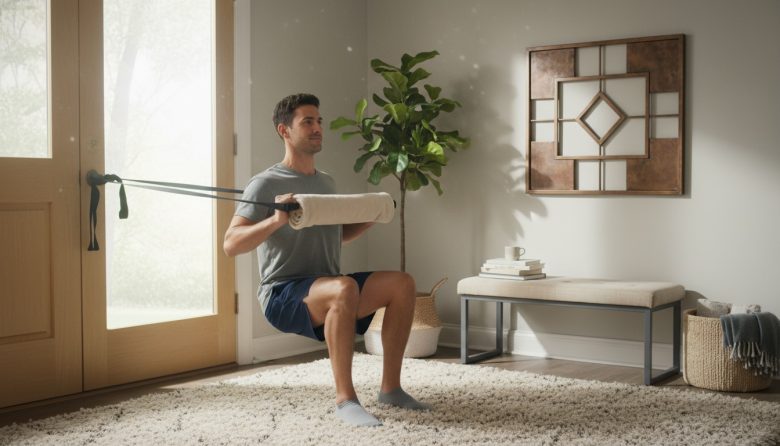
Picture this: you’re wrapping up a long day at your desk, and suddenly you catch your reflection in the window—shoulders rounded forward, neck craned like you’re peering into a secret. It’s that familiar slouch creeping in again, leaving your back achy and your confidence a bit wobbly. You’re not alone; so many of us fall into this after hours of scrolling, working, or just life’s daily pull.
Slouching doesn’t just mess with your look—it can tug on your energy, spark tension headaches, and even make breathing feel a tad shallower. The good news? Simple rows can gently wake up those back muscles, pulling your posture upright without fancy gear or gym memberships. We’ll walk through easy starters, a full routine, tweaks for your routine, and habits that stick, all with beginner-friendly mods to keep it fun and doable.
Hey, I’m Owen Kelly, and I’ve helped folks just like you trade hunch for that easy upright vibe. Rows are like a friendly nudge to your upper back, strengthening the rhomboids and lats that hold everything in place. Stick with me, and you’ll feel taller in no time.
If This Sounds Like You
Maybe you’re glued to your laptop during work calls, ending the day with a tight neck from that forward lean.
Or family game nights leave you slumped on the couch, shoulders forgotten until the ache sets in tomorrow.
Low-energy evenings find you melting into the sofa, scrolling endlessly with your back curved like a question mark.
It’s okay if these hit home—many people feel this pull from modern life, but a few rows can shift it gently.
Why Your Back Deserves a Little Row Love
Your posture is like a daily habit chain—strong back muscles keep the links straight. When we slouch, the chest tightens and the upper back stretches weak, letting gravity win the tug-of-war.
Rows counteract this by squeezing those mid-back muscles, the ones that pull your shoulder blades together. It’s not about perfect form overnight; it’s retraining with kind, consistent pulls.
Unlike crunches or planks that can feel intense, rows are approachable and target slouch spots directly. Many folks notice less forward hunch after just a week of easy sessions. Your back’s been carrying you—give it this simple TLC.
Try This First: The Wall-Supported Row
Start here if you’re easing in—no equipment needed, just a wall and your curiosity. Stand with your back against the wall, feet hip-width apart, knees soft.
Bend your elbows like you’re hugging a big beach ball, then squeeze your shoulder blades back and down. Hold for three breaths, feeling the lift in your chest. That’s it—your first row win!
Do 8-10 squeezes, rest, repeat twice. Imagine releasing desk tension with each pull. If it feels wobbly, slide your feet farther out; many beginners love this mod for that secure feel.
This builds confidence before adding moves. Pair it with ideas from the Daily 15-Minute Full-Body Strength Plan for a quick daily boost.
Your Go-To Rows for Upright Days
Ready for a routine? This four-step flow takes 10 minutes, perfect for low-energy days. Do it 3-4 times a week, with beginner mods to keep it light.
It starts simple and builds, focusing on feel over reps. Listen to your body—stop if anything pinches.
- Warm-up shoulder rolls: Sit or stand tall. Roll shoulders up, back, and down 10 times each way, like shaking off a heavy backpack. Breathe deeply; this loosens tight spots without strain.
- Seated band row (or towel mod): Loop a resistance band around your feet or use a towel. Sit with legs extended, pull handles toward your ribs, squeezing blades together. Aim for 10-12 pulls, 2 sets. No band? Tug the towel ends firmly—many start here successfully.
- Standing dumbbell row mod: One hand on a chair for support, hold a light weight or water bottle in the other. Hinge slightly at hips, row elbow back like starting a lawnmower. 8-10 per side, 2 sets. Keep it slow for max back activation.
- Cool-down stretch + check-in: Clasp hands forward, round your back gently for 20 seconds. Then stand tall, roll shoulders—notice the openness? Journal one good feeling to celebrate.
This sequence strengthens progressively. Weave in tips from Easy Tips for Stronger Grip at Home if pulls feel slippery at first.
Make It Your Own: Rows That Fit Your Life
Busy mornings? Try kitchen counter rows: Hands on the edge, hinge forward, pull elbows back like rowing across your counter sea. 10 reps while coffee brews.
Out for a walk? Park bench rows: Sit facing out, grip the seat edge, squeeze back. Add a fun twist—count birds overhead per set.
Tweak resistance: Lighter bands for gentle days, or bodyweight only if weights intimidate. It’s okay to mix; many adapt this way and stick longer.
Family-friendly? Do partner rows facing each other, gently tugging hands. Playful variations keep it fresh and shared.
Pairing Rows with Feel-Good Posture Nudges
Rows shine brighter with habits. Set a phone reminder for “row break” every two hours—pair it with a wall row for instant reset.
Mirror checks during routines: Smile, roll shoulders, notice the lift. It ties rows to real-life upright moments.
Breathing nudge: Inhale to prep, exhale on the row squeeze. This calms stress slumps, especially post-work.
Combine with 5 Simple Tips for Better Bodyweight Squats for full-body balance. These nudges make posture a gentle friend, not a chore.
Track wins weekly: Fewer aches? Clothes fit better? Celebrate small shifts—they add up warmly.
Frequently Asked Questions
Can rows really straighten my posture if I’ve slouched for years?
Absolutely, many long-time slouchers see changes in weeks with consistency. Rows rebuild those back muscles patiently, without forcing overnight perfection. It’s okay to go slow—your body appreciates the steady kindness.
How often should I do these rows without overdoing it?
Aim for 3-5 days a week, 10-15 minutes each. Rest days let muscles recover, preventing fatigue. Listen to your back; if it’s happy, you’re golden.
What if I don’t have bands or weights?
No worries—towel rows, wall pushes, or bodyweight squeezes work wonders. Everyday items like water bottles sub in perfectly. Beginners often prefer these zero-gear starts anyway.
Will I feel sore, and how do I handle it?
A little muscle tiredness is normal, like after a good walk. Warm up, stay hydrated, and use a foam roller or warm shower for relief. If soreness lingers, dial back reps—your body guides the pace.
How long until I notice less slouching?
Most feel lighter in 1-2 weeks, with posture habits sticking by month one. Track mirror glimpses or photos for motivation. Everyone’s timeline varies, but persistence pays off gently.
What’s your favorite row twist? Share in the comments and tag a friend who hunches over their desk!