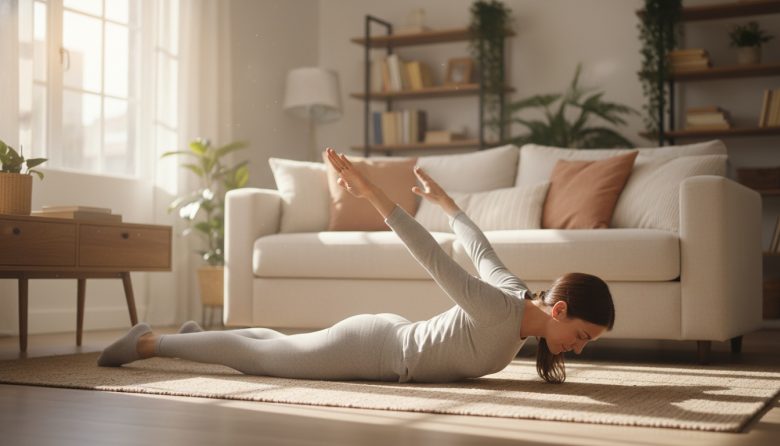
Picture yourself at the end of a long day, sinking into that familiar slouch over your laptop or phone. Your neck starts to ache, and your shoulders feel heavy, like they’re carrying the weight of the world. It’s a scene so many of us know all too well, especially with busy schedules pulling us in every direction.
Stronger back muscles can gently lift you out of that slump, supporting better posture without force or strain. They help distribute your body’s load more evenly, easing tension and sparking more energy for the things you love. You’re not alone in this—plenty of folks discover quick wins with simple moves that fit right into daily life. Let’s explore how to make your back the reliable friend it was meant to be.
If This Sounds Like You
- You catch yourself hunching over your desk after a long day.
- Your shoulders feel tight from carrying kids or groceries.
- Standing tall feels effortful on low-energy mornings.
- It’s okay if posture slips—many of us are in the same boat.
Why Your Back Muscles Are the Unsung Heroes of Everyday Ease
Your back is home to a team of quiet workers, like the erector spinae that run along your spine, keeping you upright during walks to the park or chats with friends. Then there are the rhomboids between your shoulder blades, squeezing to pull your shoulders back when you reach for a high shelf. Don’t forget the trapezius muscles up top, helping with those everyday lifts like laundry baskets.
Building strength here means less nagging ache after family game nights and more pep in your step on errands. It frees up energy for laughing with loved ones instead of rubbing sore spots. Many people notice they breathe deeper and stand with quiet confidence once these muscles get a little love.
Think about how good it feels to stretch after sitting too long—stronger backs make that tall posture your natural go-to. No need for perfection; small, consistent efforts add up to real comfort. Ready to wake them up?
Try This First: Your 2-Minute Desk-Side Back Wake-Up
Start right where you are with the seated row, a super simple move that activates your upper back without leaving your chair. Sit tall, feet flat on the floor, and imagine a resistance band around your hands as you pull your elbows back gently. Squeeze your shoulder blades together like you’re pinching a pencil between them, hold for three breaths, then release.
Do 5-8 reps, moving slow and steady—it’s just two minutes that counters hours of hunching. If your chair feels wobbly, try the wall angel instead: stand with your back against a wall, arms bent at 90 degrees like goalposts, then slide them up and down slowly. Beginners can bend your knees or step forward a bit for comfort.
Why it works so well? It targets rhomboids and rear shoulders directly, reminding your body how to hold that open-chest posture. Many feel taller instantly, with less desk fatigue. Give it a go next time you sip coffee—your back will thank you.
Layer On the Strength: A Gentle Path to Lasting Posture Power
Many folks build lasting back strength through these four straightforward steps, easing in week by week without overwhelm. Each one layers on the last, turning quick fixes into habits that stick. Listen to your body and adjust as needed—progress feels best when it’s kind.
- Step 1: Daily Activation (Week 1) – Get on all fours for bird-dog holds: extend one arm forward and the opposite leg back, hold steady for 10 seconds per side, 5 reps each way. Mod: Keep knees down on a soft mat or carpet for extra support. This fires up your erector spinae safely, building that core-back connection many beginners love.
- Step 2: Add Resistance (Week 2) – Grab a light resistance band or towel for pull-aparts: hold it at shoulder height, pull apart while squeezing your shoulder blades, 3 sets of 10. Mod: Use no band at first, just air rows. It strengthens rhomboids for better shoulder alignment during daily tasks.
- Step 3: Full-Body Link (Weeks 3-4) – Try deadlift variations with water bottles or light dumbbells: hinge at hips, keep back flat, lower and lift slowly, 3 sets of 8. Mod: Single-leg stance for balance challenge without weight. When considering How to Develop Glute Strength Through Bridges, pair it here—strong glutes support your back for true posture power.
- Step 4: Habit Stack – Link moves to routines like brushing teeth or waiting for the kettle, tracking one “feel-good” moment daily in a notes app. Mod: Shorten holds on rushed days. This cements gains, turning strength into your default.
Celebrate those subtle shifts, like looser shirts or easier hugs. If something pinches, dial it back—your body guides the way. You’ve got this steady path ahead.
Seamless Habits That Keep Your Back Happy Through Busy Days
Posture check-ins are game-changers: set a phone reminder every hour to roll your shoulders back and down, like shaking off a heavy backpack. During family dinners, sit with feet grounded and imagine a string pulling your head tall—simple tweaks that add up.
Fix phone scrolling by holding it at eye level instead of chin-down doom. On walks, swing arms gently to engage your back rhythmically. Tie in the Weekend Light Body Strength Challenge Plan for low-key reinforcement when weekends roll around.
These habits weave strength into chaos without extra time. Many parents or desk workers swear by them for ache-free evenings. What small tweak calls to you?
Make It Your Own: Twists for Real Life
At home? Stick to bodyweight bird-dogs on the living room rug. Gym-goers, hop on a row machine for that satisfying pull. Pregnancy-friendly? Opt for seated band pulls with feet wide for stability—many moms-to-be feel supported this way.
Over 50 or easing back in? Slow the tempo, add chair support, and focus on breath. For fun, blend in a gentle yoga flow like cat-cow poses between steps. Personalize by noting what energizes you most—maybe morning moves before coffee.
Your life sets the pace, so mix and match freely. This flexibility keeps it fresh and doable long-term. Experiment and see what fits your rhythm.
Spotting the Sneaky Posture Drains (and Easy Fixes)
Tight hips can tug your posture forward—counter with a gentle lunge stretch, holding 20 seconds per side daily. Weak core sneaks in too, making back work harder; a modified plank on knees builds it without strain.
For longer holds, explore How to Increase Endurance with Hold Exercises to make bird-dogs effortless. No need for flawless form overnight—these sidesteps keep progress smooth. You’re already ahead by noticing.
Common worries fade with these gentle redirects. Keep it light, and your back stays resilient.
What’s one small back boost you’ll weave into your day? Drop it in the comments—let’s lift each other up!
Frequently Asked Questions
Can I improve posture without gym equipment?
Yes, absolutely—bodyweight moves like bird-dogs and wall angels, plus household items like water bottles, work wonders for most people. Many build strong backs using just a towel or chair, fitting seamlessly into home routines. Start simple, and you’ll feel the shift without any fancy gear.
How soon will I notice changes?
Gentle improvements often show up in 1-2 weeks with steady daily habits, like lighter shoulders after desk hours. Consistency trumps intensity, so track those feel-good moments rather than mirrors. Everyone’s timeline varies, but the ease builds quickly for many.
What if my back hurts during exercises?
Scale back right away—shorten holds, add support like knees down, and focus on breath to ease in. Persistent pain means pause and chat with a pro; you’re not alone, and modifications make it safe. Listen kindly to your body every time.
Is this safe for beginners or older adults?
Totally, with built-in mods like chair versions and slower paces—starters and those over 50 thrive when going gentle. We’ve tailored these for real-life ease, prioritizing comfort over push. Start slow, build kind confidence.
How often should I do these back strength moves?
Aim for 3-4 days a week on the main exercises, layering in daily habits like check-ins for steady flow. Rest days let muscles recover, preventing fatigue. This rhythm keeps it sustainable and fun for the long haul.