Picture this: You’re wrapping up a quick home workout after a long day chasing kids or squeezing in desk tasks, and your squats leave your knees achy or your lower back nagging. It happens to so many of us, especially when we’re pushing through low-energy evenings or trying to fit strength moves into busy routines. The good news? These common squat form slip-ups are super fixable with a few gentle tweaks—no fancy gear needed.
You’re not alone if squats feel more frustrating than empowering right now. Many folks starting out notice the same issues, like knees wobbling inward or heels popping up. With simple cues and everyday checks, you can unlock pain-free, stronger squats that actually fire up your glutes and legs the way they’re meant to.
We’ll walk through quick wins together, from a 2-minute mirror check to targeted fixes for the sneakiest mistakes. Think steady progress, like building better posture for those video calls. Ready to feel the difference? Let’s ease into it step by step.
If This Sounds Like You
Your knees buckle inward mid-squat, turning what should be a powerhouse move into a shaky struggle. Or maybe your back rounds as you try to go deeper, leaving you sore the next day after a family walk or grocery run.
Heels lift off the floor without warning, especially on low-energy mornings when you’re just trying to wake up your legs. And you feel the work more in your toes or quads than those glutes you’re chasing.
It’s okay if this hits home—many people feel this way when starting out or after skipping form checks during rushed workouts. You’re in good company, and small shifts can change everything.
Try This First: Your 2-Minute Mirror Check
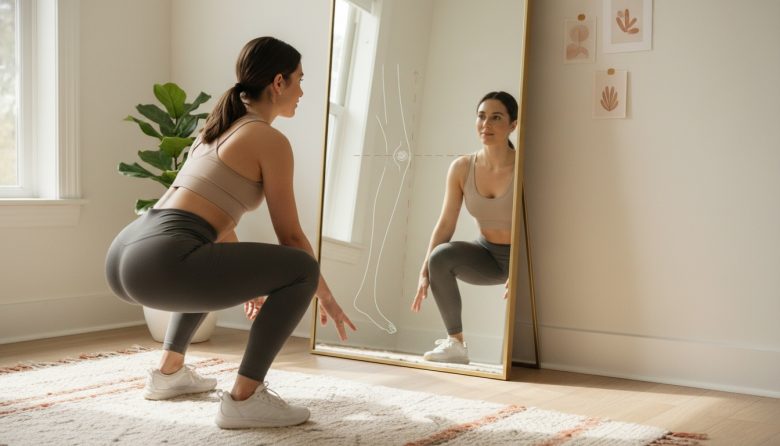
Grab a full-length mirror or prop up your phone to film—it’s like double-checking your outfit before heading out. Stand tall, feet shoulder-width apart, toes slightly out. Slowly lower into five squats, pausing at the bottom each time.
Watch for one thing: Do your knees track over your toes? Does your chest stay lifted? Pick just one red flag to tweak today, like gently nudging knees outward. This builds confidence without overwhelm.
Many find this eye-opener shifts their whole routine. If you’re weaving in something like the 7-Day Light Strength Routine for Busy Days, this check makes every rep count more. Give it a go right now—two minutes is all it takes.
Squat Smarts: Common Mistakes and Easy Fixes
| Common Mistake | Don’t Do This | Do This Instead | Feel the Difference |
|---|---|---|---|
| Knees Caving In | Let knees collapse toward each other as you lower, straining hips and knees. | Actively push knees out over toes, like spreading the floor apart with your feet. | Stronger glutes engage, knees stay safe, and squats feel powerful. |
| Back Rounding | Hunch forward or round your spine at the bottom, risking lower back strain. | Keep chest proud and core braced, eyes forward like greeting a friend. | Balanced load on legs and core, deeper squats without discomfort. |
| Heels Lifting | Rock onto toes, shifting weight forward and losing stability. | Press heels firmly down, imagine rooting into the ground. | Solid base activates hamstrings and glutes fully. |
| Leaning Too Far Forward | Torso pitches ahead excessively, overloading quads and back. | Hinge at hips slightly while keeping shins vertical. | Even weight distribution for smoother, controlled reps. |
| Toes Gripping Too Hard | Claw toes into the floor, causing imbalance and early fatigue. | Spread toes wide and relax them, focusing on heel drive. | Effortless balance and better glute connection. |
This table gives you a quick-reference cheat sheet—glance at it before your next set. It’s designed for real-life moments, like prepping for a park playdate or evening unwind. Now, let’s zoom in on a few troublemakers with extra cues.
Spot the Sneaky Knee Cave-In That Sabotages Your Squats
Knees caving inward, or “knee valgus,” sneaks up when hips tire out first—like carrying heavy laundry baskets unevenly. It steals power from your glutes and stresses knees. You’re not alone; it’s common in home workouts after a tiring day.
Try this cue: As you squat, pretend you’re pushing your knees apart against an invisible band. Pair it with a wide stance if needed. Feel that? Your hips open up, glutes wake up.
Practice with bodyweight first, maybe during TV time. If tight hips linger, a gentle side-step walk helps. Many notice less ache after just a few sessions—steady wins.
For busier days, blend this into the Daily 15-Minute Full-Body Strength Plan, where form tweaks amplify every move. What’s one cue you’ll test?
Unlock Deeper Squats Without That Nagging Back Round
That forward hunch or back round often comes from desk slumps carrying over, making deeper squats feel risky. It shifts load off legs onto your spine. But with a simple brace, you can go lower safely.
Cue up: Chest lifted like you’re about to share a story, core gently squeezed as if bracing for a light hug. Practice rising onto toes briefly to feel neutral spine. Ah, there it is—length through your back.
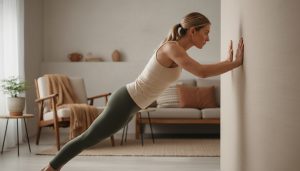
Do wall-supported squats: Back against a wall, slide down slowly. It’s perfect for low-energy afternoons. Build from there, and rounding fades.
Relatable? Like fixing posture mid-Zoom call. Consistency here protects your back long-term, especially if strength days follow routines like the Evening 10-Minute Upper-Body Strength Routine.
Keep Heels Glued Down for a Rock-Solid Base
Heels lifting happens when weight creeps forward, often from tight calves or rushed reps—like slipping in sneakers on hurried mornings. It robs your posterior chain of work. No worries, it’s fixable.
Key cue: Drive heels into the floor, wiggling toes to grip lightly. Test by sliding a paper under heels—if it slips easy, you’re golden. Feel the shift to hamstrings?
Shoes matter too: Try flat soles or go barefoot at home. Start with partial squats if full depth lifts heels. Progress feels steady and grounded.
Everyday win: Picture balancing during a family hike. This base strengthens everything above, tying nicely into fuller routines.
Make It Your Own: Mix and Match for Your Routine
Beginners, wall squats are your friend—back supported, focus on cues without balance worry. Add pauses at the bottom for advanced challenge, holding two breaths to build control.
Busy schedule? Pair squats with short walks, checking form every third set. Home setup? Use a chair for box squats, easing depth gradually. Personalize for your energy—it’s okay to start shallow.
Track wins: Note one cue per session, like a journal doodle. Many build habits this way, turning frustration into flow. Steady progress keeps it fun.
What’s your go-to squat tweak so far? Share in the comments below, and try one new cue this week—you’ve got this, together.
FAQ
What if squats still hurt after these fixes?
It’s okay to pause and rest a day or two—bodies need recovery, especially after form shifts. Check your shoes for worn soles or too much cushion; minimalist ones often help. Ease back with fewer reps, and if pain persists, chat with a pro for personalized eyes.
How often should I check my form?
Every session at first, like brushing your teeth—builds the habit quick. Once cues feel natural, drop to every third workout. Mirrors or quick films keep it light and effective.
Can beginners skip weights?
Absolutely, bodyweight squats shine for nailing form first. Add light holds like water jugs later. This foundation makes weighted sets safer and stronger down the line.
Why do I lean forward too much?
Often tight ankles from sitting lots—gentle calf stretches before squats loosen them. Cue shins vertical, hips back. Progress comes with daily awareness, no rush.
Many see smoother movement in days. You’ve got the tools—keep tweaking kindly.