Picture this: you’re halfway up the stairs after a long day, and your legs start that familiar wobble. Or maybe those short walks to the park leave you winded, wondering why simple steps feel so tough. It’s more common than you think, especially when life piles on with work deadlines, family chaos, or just those low-energy afternoons.
Bodyweight squats are here to change that story. No gym membership, no fancy gear—just you, gravity, and a few minutes to build legs that feel resilient and ready for whatever comes next. They’re perfect for busy schedules, whether you’re juggling kid pickups or endless desk hours. We’ll walk through a gentle progression that starts super easy, so you can build strength without overwhelm.
Small daily moves add up to big wins, like carrying groceries without a second thought or chasing after little ones with a smile. You’re not starting from scratch alone—many of us rebuild leg power this way. Ready to feel steadier on your feet? Let’s ease into squats that hug your legs back to strength.
If This Sounds Like You
You’re tired of stairs feeling like a mountain after just a few steps.
Gym intimidation keeps you glued to the couch more than you’d like.
Family routines or work shifts leave zero room for complicated equipment.
Low-energy days make even the idea of a workout feel impossible.
You’re not alone—many people nod along to these, and it’s totally okay to start small. We’ve all been there, scrolling for simple ways to move better. The good news? Bodyweight squats fit right into your real life, no judgments attached.
Why Bodyweight Squats Feel Like a Hug for Your Legs
These squats target your quads, glutes, hamstrings, and calves in one smooth move, building power for everyday adventures.
Stronger legs mean easier grocery hauls, steadier balance during busy mornings, or more energy for evening walks. Imagine bending down to tie shoes without that creaky hesitation—many folks notice these wins first.
They boost balance and core stability too, helping you stand taller through long days. It’s not just muscle; it’s confidence that grows one squat at a time. Plus, they’re joint-friendly when done right, making them a cozy fit for beginners.
Think of playful kid-chasing or hiking with friends without fading halfway. Squats prep your legs for real life, not just mirrors. Who’s ready for legs that keep up with your world?
Try This First: Your Foolproof Beginner Squat Flow
Start with wall-supported squats—they’re the gentlest entry and build trust in the move. Aim for 3 sets of 5-8 reps, just 1-2 minutes a day. Breathe easy: inhale as you lower, exhale as you rise. This is where the fun begins, no pressure.
Rest 30-60 seconds between sets, or chat with a family member while you recover. Do it during TV commercials or morning coffee breaks. Pairing this with a Daily 15-Minute Full-Body Strength Plan keeps things balanced and simple.
4 Steps to Your First Confident Squat
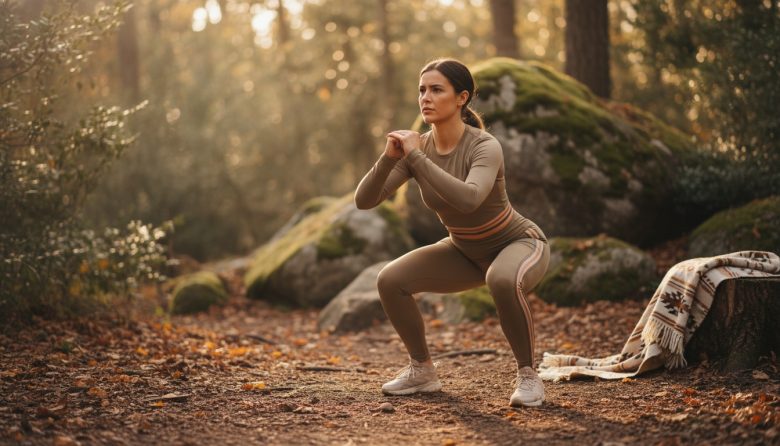
- Stand with feet hip-width apart, toes slightly out like you’re prepping for a comfy chair.
- Sit back gently, as if lowering into an invisible seat—keep your chest up and gaze forward.
- Let knees track over your toes, not caving in; go as low as feels good, even just a few inches.
- Drive up through your heels, squeezing glutes at the top for that satisfying stand.
Practice these steps slowly, maybe holding the wall for support. You’ll feel steadier right away. Great job easing in—what a strong start!
Spotting Sneaky Form Slip-Ups Before They Trip You
Knees caving inward is super common, especially on tired days—it pulls on joints. Smile and adjust by pressing knees out gently, imagining a balloon between them. Happens to everyone; a quick fix keeps you safe.
Half-squats, where you barely bend, miss the magic. Go deeper when comfy, but shallow is fine to start. Use a mirror or phone video for a friendly check-in.
Leaning too far forward? Tuck your tailbone slightly and lead with hips back. These tweaks turn “ouch” moments into “aha” wins. You’re learning fast—keep that gentle rhythm going.
Back rounding from desk hunch? Try a cue from How to Fix Slouching with Easy Rows beforehand to open your posture. Smooth sailing now!
Make It Your Own: Squat Twists for Real-Life Rhythm
Short on time? Desk squats: rise and lower while seated, 10 reps per break. Perfect for work-from-home flow.
Sumo squats widen your stance, toes out more—targets inner thighs for that all-around leg hug. Add a pulse at the bottom for extra fun burn, 3-5 pulses per rep.
Kids around? Turn it into a game: “Simon says squat!” Single-leg versions build balance later, holding a chair for support. Tailor to your day—who says strength can’t be playful?
Feeling adventurous? Link squats into a circuit with How to Build Upper Body Without Equipment moves for full-body vibes. Your legs, your rules—mix and match joyfully.
From Starter to Strong: Building Legs That Last
Week 1: Stick to beginner flow, 3 days. Week 2: Add 2 reps or 2-second holds at bottom.
Progress to freestanding squats by week 3, aiming for 10-12 reps. Walks or gentle stretches on off days aid recovery—think park strolls with podcasts.
Listen to your body; skip if sore, never push through pain. Many turn this into a joyful 10-minute habit. Track small wins, like easier stairs—your legs are transforming!
What’s your next small win? Consistency beats intensity every time. You’re crafting legs that last, one friendly squat at a time.
What’s one squat tweak you’ll try today? Share in the comments—we’re in this together! Pin this for your fridge reminder.
FAQ
Can I do squats if I have knee discomfort?
Absolutely—many find squats ease knee issues with proper form. Start super shallow, like a quarter squat, and always warm up with marches in place. Listen to your body; if it twinges, back off and build gradually. Consult a doc if needed, but gentle squats often bring relief over time.
How often should I squat for results?
3-4 times a week is plenty for most—gives legs time to recover and grow stronger. Space them with rest days, like Monday, Wednesday, Friday. Pair with easy walks on offs; steady rhythm trumps daily grind. You’ll feel firmer steps soon.
What if squats feel awkward at first?
It’s totally normal—bodies need time to groove the pattern. Film a side-view video or use a mirror for kind feedback. Practice 2-3 times daily in short bursts; patience turns awkward to automatic. You’re not alone in this phase.
Do I need perfect form right away?
No rush at all—focus on consistency over flawlessness from day one. Nail the basics like hip hinge first; polish comes naturally. Celebrate movement over mirrors; it’ll click with reps. Progress is your perfection.
How long until I notice stronger legs?
2-4 weeks of steady practice often brings those “everyday easiness” wins, like lighter-feeling legs on walks. Strength builds quietly at first, then shines in real life. Track non-scale victories, like bounding up stairs. Keep going—you’re on track!