Picture this: you’re rushing to catch the bus after dropping the kids at school, and your ankle twists just a bit on an uneven sidewalk. Or maybe you’re gardening in the backyard, reaching for that stubborn weed, and suddenly feel a wobble that makes your heart skip. These little moments happen to so many of us, especially on tired days when our balance just isn’t cooperating. The good news? Single-leg stands are a simple, game-changing way to build steadier footing without fancy equipment or gym memberships.
These stands aren’t just for yogis or athletes—they’re for anyone wanting more confidence in daily life, like carrying groceries without swaying or playing with grandkids on the park grass. They strengthen the tiny muscles around your ankles, hips, and core that keep you upright. Plus, they sharpen your focus and body awareness, turning those wobbly moments into smooth strides. In this guide, we’ll walk through why they work, spot if they’re for you, start super easy, master four key steps, tweak for fun, weave into routines, fix hiccups, and answer your questions.
Expect easy wins right away—like feeling more planted during family walks. Many folks notice less hesitation on stairs after just a few days. You’re not alone in wanting that steadiness; let’s build it together, one gentle stand at a time.
Why Single-Leg Stands Feel Like a Game-Changer for Wobbly Days
Ever feel off-balance reaching for the top shelf at the store? Single-leg stands mimic those real-life shifts, training your body to stay steady. They boost ankle strength and hip stability, which fade with sitting too much or age, but come back with practice.
Without getting too sciency, think of it like watering a plant—consistent little sips build deep roots. Your proprioception, or body sense, gets sharper, helping during quick turns while cooking or chasing a toddler. Folks gardening or hiking uneven trails love how it prevents tweaks.
On low-energy evenings, these stands refresh you without exhaustion. Pair them with approaches like How to Wake Up Muscles with Gentle Holds for a full stability boost. Suddenly, chasing kids at the park or standing through long lines feels easier and safer.
They’re low-risk, high-reward for busy lives. No weights needed—just you and gravity. Many report fewer near-misses, like steadying on wet floors, after a week or two.
If This Sounds Like You
You hesitate on stairs after a long workday, gripping the rail a bit too tight.
Family walks leave you feeling off-kilter on gravel paths or curbs.
You’re tired of feeling unsteady during simple yoga flows at home.
Low-energy mornings turn brushing teeth into a balance challenge by the sink.
It’s okay if these ring true—many of us face wobbles from desk jobs, parenting, or just life. Single-leg stands meet you right there with gentle support.
Try This First: Your 30-Second Everyday Starter
Stand by your kitchen counter on a low-energy morning. Place one hand lightly on the edge for support. Lift your right foot an inch off the floor, bending the knee softly like you’re stepping over a puddle.
Breathe deeply—in through your nose for four counts, out for four. Gaze at a fixed spot ahead, like the fruit bowl. Hold for 10-15 seconds, then switch legs. That’s it—30 seconds total.
Why so gentle? It wakes stabilizing muscles without strain, building confidence fast. Do it while coffee brews. You’ll feel more grounded before your day even starts.
If wobbling happens, smile—it’s your body learning. Repeat a few times daily. This starter eases you in, proving balance is accessible anytime.
Master Balance with These 4 Simple Steps
Ready to level up? These four steps turn basics into a steady habit. Follow them progressively, using everyday spots like your living room or hallway.
- Find your stance and gaze. Feet hip-width, shift weight to one leg. Pick a gaze point at eye level, maybe a photo on the wall. This anchors your focus, like scanning for your keys in clutter. Hold 10 seconds, breathing easy.
- Build hold time gradually. Start at 15 seconds per leg, add five seconds daily. Imagine waiting for the microwave—short and steady wins. Track in a phone note; celebrate small jumps, like hitting 30 seconds during TV ads.
- Add gentle movement. Once comfy, swing arms softly like waving hello. Or circle your raised foot slowly, as if stirring soup. This challenges real-life shifts, like dodging toys on the floor. Keep it playful, 20 seconds per side.
- Track feel-good progress. Note how stairs feel easier or gardening steadier. After a week, try without support. Link it to a 4-Week Home Strength Building Routine for whole-body gains. Cheer each steadier step—you’re rewiring for confidence.
These steps flow naturally, each building on the last. Practice 2-3 minutes daily. Watch wobbles fade into poise.
Make It Your Own: Playful Twists for Busy Schedules
Love TV time? Stand on one leg during commercial breaks—challenge yourself to outlast the ad. Eyes closed adds thrill, but hold the wall if needed.
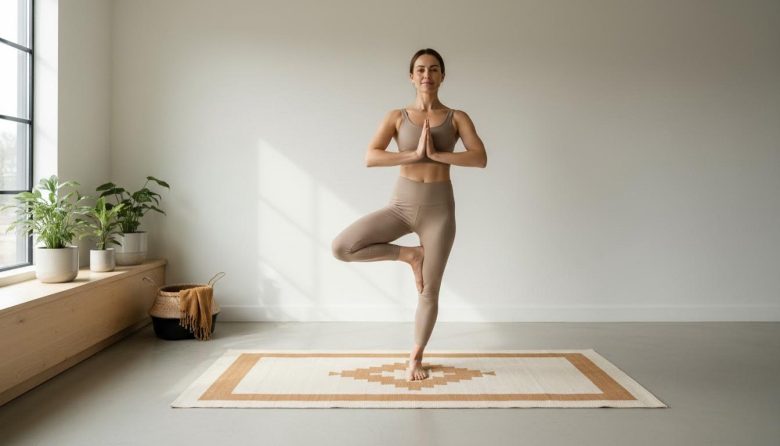
Arm swings mimic dancing—great for music lovers. During partner walks, take turns holding a tree pose by a bench. It’s fun shared time.
For chair users, lift one foot while seated, extending the leg gently. Low-impact and inclusive. On uneven grass? Perfect for park picnics, building trail confidence.
Busy parents: do it holding a laundry basket lightly. All levels welcome—it’s okay if one side lags. These twists keep it fresh, fitting your flow.
Sneak Single-Leg Stands Into Your Real-Life Flow
Brushing teeth? Shift to one leg, toothpaste in hand. Waiting for coffee to drip—perfect 20-second hold.
During family walks, pause at benches for quick stands. Grocery lines? Discreet foot lifts build stealth steadiness.
Consistency is key, not perfection. Aim for 3-5 sneaks daily. You’ll weave balance into routines effortlessly.
Many find evenings wind down calmer this way. Gentle habit, big rewards.
Spotting the Little Hiccups and Keeping It Fun
Rushing holds? Slow down—rushing tenses shoulders, worsening wobbles. Breathe first, like sipping tea mindfully.
Tense neck? Drop ears from shoulders, gaze soft. Laugh off tips—it’s progress fuel.
One leg stubborn? Alternate evenly, patience wins. If sore, rest a day. Keep it light, like a silly game with yourself.
These fixes turn frustration to fun. You’re doing great—steadiness follows.
What’s one spot you’ll try a single-leg stand today? Share in the comments—we’re all building steadier steps together!
FAQ
Is it okay if I wobble a lot at first?
Absolutely, wobbling is normal—it’s your body adjusting and learning. Many start shaky, like standing on a boat deck, but steady with time. Focus on fun holds, not perfection; progress comes gently.
How often should I practice single-leg stands?
Aim for 3–5 short bursts daily, like during routines. Each 30-60 seconds adds up without overwhelm. Consistency over marathon sessions builds real steadiness.
Can this help if I’m older or have joint concerns?
Yes, modified versions suit all ages—use support and start tiny. It’s low-impact, strengthening without stress. Chat with your doc for personalized tweaks; many older friends swear by it for safer steps.
What if one leg feels stronger than the other?
Common and fixable—alternate sides evenly each session. The weaker one catches up with patience, like training a slower runner. Track both for balanced gains.
Will I see balance improvements quickly?
Many notice steadier feels in 1–2 weeks with daily tries. Everyday moments like stairs get smoother first. Steady practice unlocks lasting confidence—keep going!