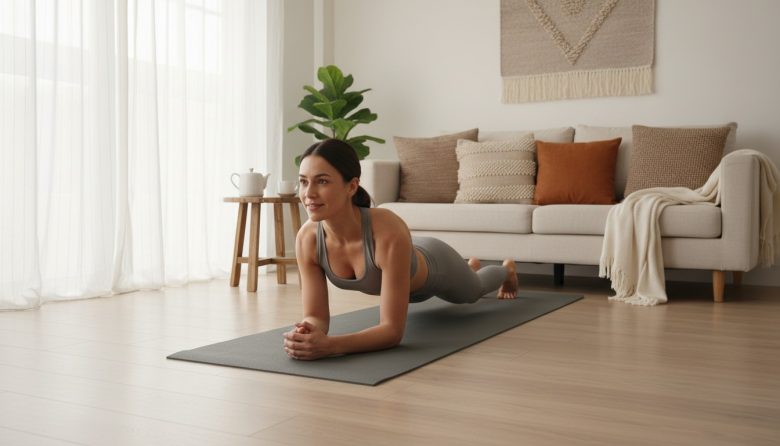
Picture this: it’s the end of a long day, you’re finally sinking into the couch after chasing kids around or staring at a computer screen, but when you try to sit up straight, everything feels a little wobbly. That shaky feeling in your middle? It’s a sign your core could use some love. Planks are like a secret weapon for building that strength—gentle, no-fuss moves that don’t need a gym or fancy gear.
These simple holds engage your whole midsection, from abs to back muscles, helping you feel more stable in daily life. Whether you’re lifting groceries without strain or playing on the floor with little ones longer, planks make it happen. And the best part? We’ll start super easy and build with variations that fit your energy level.
Many folks begin just like you might—on low-energy evenings, squeezing in 20 seconds here and there. It’s okay if it feels new or awkward at first; that’s where the progress magic starts. Stick around for step-by-step guides, a handy comparison table, and ways to weave planks into your routine seamlessly.
If This Sounds Like You
Struggling to sit up after a long day hunched over your desk?
Noticing your back aches from carrying kids or bags on family errands?
Wanting a stronger core but feeling intimidated by intense gym workouts?
Finding low-energy evenings leave little room for exercise, yet you crave that steady feeling?
You’re not alone—many of us juggle these moments and still find ways to build strength gently.
Why Planks Fit Right Into Your Busy Life
Planks shine because they need zero equipment and just a few minutes. You can drop into one during a TV commercial or while dinner simmers. They work your full core—abs, obliques, lower back—for better posture and balance in everyday tasks like gardening or chasing toddlers.
Imagine bending to pick up toys without that twinge, or standing taller through work calls. It’s gentle power that builds over time. Plus, when you pair core work like this with something like Weekend Light Body Strength Challenge Plan elements, your whole body feels more connected and capable.
Many people love how planks boost confidence without overwhelming schedules. It’s okay if you’re starting small; consistency here trumps perfection every time.
Try This First: Your Knee Plank Starting Point
Let’s ease in with the knee plank—perfect for beginners or tired days. Start on all fours, hands under shoulders, knees under hips. Step one foot back, then the other, lowering to rest on knees while keeping your body straight from head to knees.
Tuck your pelvis slightly, draw your belly button toward your spine, and breathe steadily—inhale through nose, exhale through mouth. Hold for 10-20 seconds, then rest. Do this during a quick break, like waiting for coffee to brew.
Feel that gentle engagement? That’s your core waking up. If it shakes a bit, smile—it’s normal and building strength already. Try three rounds next time you’re multitasking at home.
Level Up Gently: Exploring 5 Plank Variations Side-by-Side
Ready to branch out? This table compares five variations to help you pick what feels right today. Scan for your fit, note the mods, and mix them into routines. It’s like a menu for your core—choose based on energy or mood.
| Variation | How to Do It | Key Muscles Worked | Beginner Hold Time & Mods |
|---|---|---|---|
| Knee Plank | On knees, hands under shoulders, body straight from head to knees, core tight. | Abs, lower back, shoulders | 10-20 sec; widen knees for stability |
| Full Plank | Toes under, straight line head to heels, hands shoulder-width, engage core. | Full core, glutes, shoulders | 15-30 sec; drop to knees if needed |
| Forearm Plank | Elbows under shoulders, forearms flat, toes or knees down, body aligned. | Abs, obliques, deep core stabilizers | 20 sec; use cushion under elbows |
| Side Plank (Knee Down) | Lying on side, knee down, lift hips stacking feet or knee, arm supports. | Obliques, hips, shoulders | 10 sec/side; bend bottom knee more |
| Plank with Shoulder Tap | Full plank, tap opposite shoulder lightly, alternate without rocking hips. | Core, shoulders, stability | 20 sec (5-10 taps); slow pace, knee down |
Use this during morning stretches or evening wind-downs—maybe plank while chatting on the phone. Start with knee versions, add one new hold weekly. Everyday wins, like easier vacuuming, come from these small choices.
Notice how each builds on the last? For extra upper body tie-in, think about blending with How to Improve Arm Power with Wall Push-Ups on alternate days.
Build Steady Strength: A Simple Weekly Plank Progression
Progress without pressure—here’s a gentle 3-4 week plan. Week 1: Knee plank 3×20 sec, 3 days, rest in between. Week 2: Add full plank 15 sec, 4 days, mix knee if tired.
Week 3: Forearm plank 20 sec + side 10 sec/side, 4-5 days. Week 4: Introduce shoulder taps, hold longer as feels good. Listen to your body—skip if sore, it’s okay.
Fits family life? Do it post-breakfast or during kids’ playtime. Workdays? Quick sets at lunch. Track in a notebook; small notes spark joy. This pairs nicely if you’re eyeing How to Enhance Grip Strength at Home for hand stability in planks.
By week 4, many notice standing feels steadier. Celebrate those shifts—they’re yours.
Make It Your Own: Fun Twists on Planks
Add upbeat music to hold longer without noticing. Pair with short walks: plank 20 sec, walk a block, repeat. Theme it—like “plank while coffee brews” mornings.
For different bodies, widen stance or use walls. Low-energy? Shorter holds more often. It’s flexible, inclusive—many tweak for joint comfort or busier days.
Try family challenges: who holds longest? Laughter makes it stick. Your core, your rules.
Common Hiccups and How to Breeze Past Them
Shaking legs? Shorten to 10 seconds—builds up naturally. Many start here; breathe deep, it passes.
Sore back? Check alignment—head neutral, no sagging. Tuck chin, imagine a string pulling your middle up. Form first, always.
Wrist twinges? Switch to forearms or fists. You’re not alone; gentle swaps keep you going strong.
Frequently Asked Questions
Can I do planks every day if I’m just starting?
Yes, but ease in with 3-4 days a week to let muscles recover—rest prevents burnout. Many beginners thrive this way, noticing quicker gains. Listen to your body; if fresh, add a day gently.
What if planks hurt my wrists or shoulders?
Try forearm planks or make fists to ease wrist strain—elevate hands on a book if needed. For shoulders, shorten holds and focus on core engagement over long times. Alternatives like knee versions keep progress without pain; consult a doc if persistent.
How do I know if my form is right?
Imagine a straight line from head to knees or heels—no arching or dipping. Gently pull belly in, shoulders away from ears. Mirror check or phone video helps; feel steady, not strained?
Will planks alone give me a flat stomach?
Planks build core strength for better posture and stability, which helps tone over time. Pair with nourishing meals and walks for holistic changes—it’s about feeling strong, not just looks. Many see shifts with consistent, joyful habits.
How long until I feel stronger?
With 3-4 sessions weekly, many notice easier holds and daily stability in 2-4 weeks. It’s steady, not overnight—celebrate small wins like less wobble. Patience pays off beautifully.
What’s your go-to plank variation so far? Share in the comments and try one new hold from the table today—we’re all building together!