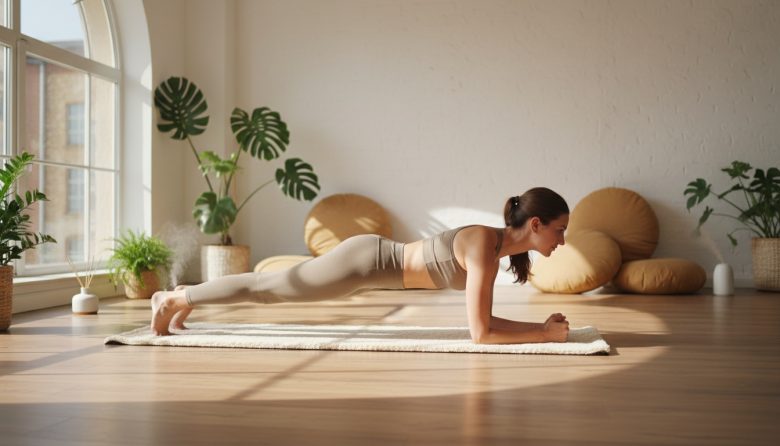
Picture this: it’s a hectic Tuesday evening, kids are running around, dinner’s bubbling on the stove, and you squeeze in a quick plank. Twenty seconds in, your arms start trembling like jelly, and you collapse with a sigh. Sound familiar? You’re not alone—planks can feel like an eternity at first, but they’re a game-changer for everyday strength.
Planks build that deep core stability you need for better posture during long workdays or carrying groceries without back twinges. They boost balance for those wobbly moments chasing after family or pets. Whether you’re just starting or pushing past a minute, these tips make progress feel approachable and fun.
Stick with me, and we’ll turn those shaky holds into confident ones. From form tweaks to breathing hacks, you’ll find gentle ways to add time without frustration. Let’s build strength together, one steady breath at a time.
If This Sounds Like You
- Your arms shake after just 20 seconds, leaving you wondering if planks are for you.
- You skip plank sessions because they drag on forever on low-energy days.
- Everyday tasks like lifting kids or bags feel wobbly, hinting at core gaps.
- Tiny changes seem too simple to add real minutes to your hold time.
Many folks start right here. It’s okay—progress comes with patience and a few smart shifts.
Try This First: Your 20-Second Form Reset
Before chasing longer holds, nail your setup. Drop into a plank: shoulders stacked over elbows, core lightly pulled in, hips neutral—not sagging or piked. Gaze down between hands to keep your neck happy.
Hold for 20 seconds, three times a day. Feel the difference? This reset builds a rock-solid base.
Beginner mod: Knees on the floor lightens the load while teaching form. No shame—it’s a smart step many take.
- Elbows under shoulders? Check.
- Body in a straight line? Yes.
- Breathing steady? Good.
Practice during TV breaks or coffee waits. You’ll notice stability creeping in fast.
Breathe Easy to Hold Steady Longer
Shaking often comes from holding your breath. Switch to diaphragmatic breathing: inhale through your nose for a 4-count, exhale slowly through your mouth. This oxygenates muscles and calms tremors.
Why it works? Steady breath fights the panic that makes you quit early. It’s like steadying nerves before a family chat or work call—simple but powerful.
Beginner tip: Count breaths out loud at first. “In two-three-four, out two-three-four.” Builds rhythm without thinking.
Try it next plank. Watch seconds tick by smoother. Many add 10-15 seconds this way in a week.
Progress Without the Frustration
Don’t rush—add 5-10 seconds weekly, with rest days in between. Listen to your body: mild burn is good, sharp pain means pause. It’s okay to laugh off a wobble and retry.
Track in a notes app for that feel-good boost. Pair with basics from Your First Guide to Light Strength Training for full-body wins.
Frustration fades when you celebrate small holds. You’re building habits that stick through busy weeks.
- Step 1: Know Your Starting Line
Time your max plank today—forearms on floor, stop when form breaks. No judgment, just data. This baseline guides your journey.
- Warm up with 10 seconds first.
- Use a timer app.
- Note how you felt.
Beginner mod: From knees. Repeat twice for average.
- Step 2: Daily Foundation Builders
Three sets of 20-second form resets, plus breath work. Morning, noon, evening—tie to routines like brushing teeth. Consistency trumps intensity here.
- Check alignment each time.
- Breathe deep, no holding.
- Rest 30 seconds between.
Mod: Wall planks if floor feels tough. Builds same strength gently.
- Step 3: Gentle Time Builders
Weekly, add 5-10 seconds to sets. Introduce variety like leg lifts after a minute base. Rest 1-2 days to recover.
- Monday: Baseline +5 sec.
- Track shakes—less is progress.
- Fun twist: Plank to music beats.
Mod: Hold shorter but add shoulder taps. Keeps it playful.
- Step 4: Reflect and Rejoice
Sunday review: Retest max, note wins. Treat yourself—herbal tea or walk. Share with a friend for accountability.
- What worked? What to tweak?
- Celebrate +10 seconds!
- Plan next week.
Mod: Journal pics of form. Visual proof motivates.
These steps turn planks into a weekly rhythm. Many double time in a month.
Fuel and Recover Like You Mean It
Hydrate before and after—aim for half your weight in ounces daily. Post-plank, grab a protein snack like yogurt with nuts. Fuels muscle repair for steady gains.
Recover gently: Short walks or light foam rolling ease soreness. Ties to energy for family game nights without crashing.
Beginner: Lemon water post-session refreshes and hydrates. Simple swap for soda.
Consistent fuel means fewer off days. Your body thanks you with longer holds.
Twist It Up with Fun Variations
Knee planks ease entry, side planks hit obliques for waist stability. Try plank walks: Step hands forward, back—fun challenge.
Low-energy days? Wall planks while waiting for kettle. Or plank chats with a partner—laughter extends time.
Build on this with How to Strengthen Legs Using Bodyweight Squats for lower body balance. Variations keep boredom away.
Pick one weekly. Your core will love the mix.
Ready to level up? Follow a 4-Week Home Strength Building Routine next.
What’s one tip you’ll try first this week? Drop it in the comments—we’re all cheering each other on! Then pick that form reset today.
FAQ
Why do my arms shake so fast during planks?
Shaking is common, especially early on—your muscles are learning endurance. Focus on form and breath to build stability. With daily resets, tremors fade in 1-2 weeks.
How often should I practice planks?
Three to five days a week works best, with rest days for recovery. Listen to your body—soreness means ease up. Consistency over daily grind prevents burnout.
Is it okay to modify for beginners?
Absolutely—many start on knees or against a wall. Modifications build strength safely without ego. Progress to full planks naturally.
What if I have back pain?
Check form first—neutral hips prevent arching. If pain persists, pause and chat with a doctor. Gentle mods like knee planks often help.
Can planks help with daily posture?
Yes, stronger core supports upright stance all day. You’ll notice less slouching at desks or standing in lines. Pair with awareness cues for lasting change.