Picture this: it’s the end of a long day, and you’re climbing the stairs to your apartment, feeling those legs wobble just a bit. Or maybe you’re chasing after the kids at the park, wishing your thighs had a little more oomph to keep up. You’re not alone—many of us notice our legs tiring out during everyday adventures like weekend hikes or lugging grocery bags from the car.
That’s where bodyweight squats come in, a simple move that builds real power in your legs without needing a gym membership or fancy gear. They target your quads, glutes, and hamstrings, helping you stand taller, move easier, and feel more confident in your stride. Imagine powering through family walks or gardening sessions with legs that just keep going.
The best part? You can start right where you are, in your living room or kitchen, at your own pace. No rush, no pressure—just steady steps toward stronger legs that support your life. Many folks who’ve felt that post-work wobble have turned it around with squats, and you can too. Ready to give it a gentle try?
If This Sounds Like You
Do your legs feel heavy after a day of errands or playing with the little ones? You’re not alone—lots of people notice that fatigue creeping in during simple tasks.
Maybe you’ve skipped workouts because gym equipment seems overwhelming, or you’re craving legs strong enough for those spontaneous hikes with friends. It’s okay if motivation dips on low-energy days; many of us juggle busy routines.
Or perhaps you’re ready for that confident stride through busy days, without the worry of stairs or uneven paths slowing you down. Sound familiar? Let’s ease into squats together.
Why Bodyweight Squats Build Legs That Last
Bodyweight squats aren’t just an exercise—they’re a game-changer for everyday strength. They fire up your glutes and quads, making tasks like gardening or chasing a soccer ball across the yard feel effortless.
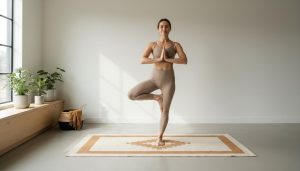
Think about hauling heavy grocery bags up the steps; stronger legs from squats mean less strain and more energy left for dinner prep. Folks often share how their balance improves too, tying nicely into practices like how to improve balance with single-leg stands, for steadier moves overall.
No equipment needed means you can fit them into your routine anywhere—from morning coffee breaks to evening wind-downs. Many start here and discover legs that carry them further, with that satisfying “I did it” feeling. Isn’t it encouraging to know real-life wins are just a few squats away?
Plus, they boost your metabolism gently, helping you feel lighter on your feet. We’ve all had those days when legs just quit; squats build resilience for the long haul.
Your Simple 4-Step Squat Progression Plan
Building leg strength doesn’t have to be complicated. This 4-step plan takes you from basics to confident power, with everyday tweaks to keep it fun and doable. Each step builds on the last, so you feel progress without overwhelm.
Let’s break it down clearly. Follow along at home, and adjust as feels right—you’re in charge.
- Step 1: Perfect Form Basics
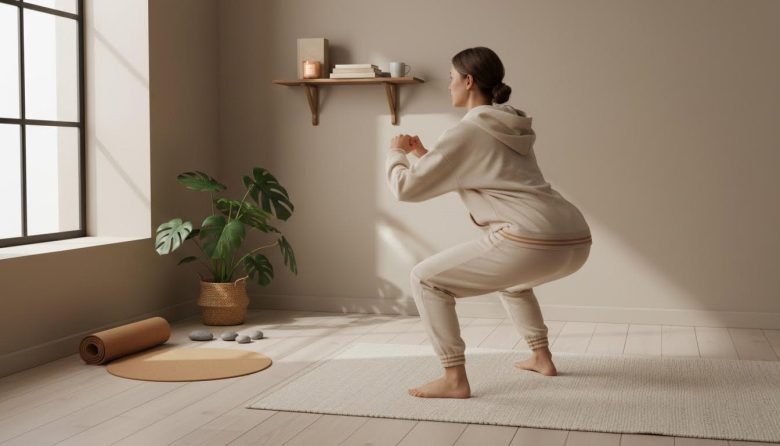
Feet shoulder-width apart, like standing on your yoga mat. Lower as if sitting back into a cozy chair, keeping knees over toes—easy to check in a mirror during your morning routine. Hold for three breaths, then stand tall. Feeling steady yet? This foundation prevents slips and builds confidence, just like prepping for a family picnic. - Step 2: Add Reps for Endurance
Start with 5-8 squats per set, using your kitchen timer for two short rounds. Do this while dinner simmers, turning wait time into strength time. Over a week, nudge up to 10 reps. Many notice easier stair climbs after this—your legs adapting beautifully. - Step 3: Introduce Tempo for Power
Slow the descent to four counts, like easing into a favorite reading chair on a lazy Sunday. Explode up smoothly. Try three sets; that controlled burn wakes up those glutes. Pairing this with easy tips for stronger grip at home can make holds even steadier during daily lifts. - Step 4: Weekly Challenges
Add park bench pulses—10 quick ups and downs after your walk. Or try 20-second wall sits twice a week. Celebrate with a treat; progress feels amazing. This keeps things fresh, leading to legs ready for hikes or playtime.
Move through these steps over two to four weeks, resting as needed. Questions like “Burn starting?” mean you’re on track. You’ve got this—steady wins the race.
Try This First: Your 5-Minute Starter Squat
Feeling new to this? No worries—start with a wall-supported squat, perfect for low-energy evenings after work. Stand with your back against the wall, feet a step forward, and slide down until thighs are parallel to the floor.
Hold for 20-30 seconds, breathing easy, like leaning into a supportive hug. Do three rounds with 30-second breaks—total five minutes while the kids do homework nearby. It’s okay if it feels shaky at first; many do, and it smooths out quick.
This builds form without pressure, setting you up for success. Notice how your legs wake up gently? That’s your starting win.
Make It Your Own: Squat Twists for Every Mood
Once basics click, tweak squats to fit your day. Sumo squats widen your stance for inner thighs—great in the family room, toes out like a fun dance move.
For playful energy post-dinner, add jump squats: lower slow, hop up light. Beginners can step instead. Sore days? Pulse halfway down gently. Mix what feels good, maybe linking to an evening 10-minute upper-body strength routine for full-body flow.
Options keep it fresh—curtsy squats for variety during TV time. Your body, your rhythm. Which twist calls to you?
Listen to Your Body and Bounce Back Stronger
Soreness after squats? Normal—it’s your muscles growing. Take a rest day with light walks, like strolling the block.
Form slipping? Pause, reset with a mirror check. We’ve all had off days; warm up with marches in place next time. You’re building habits that last.
Listen close—scale back if needed. Gentler days lead to stronger tomorrows.
What’s one squat win you’re celebrating today? Share in the comments below, and try one variation this week—we’re in this together!
FAQs: Your Squat Questions Answered
Can I do squats every day?
Daily squats can work for light sessions, but rest is key for recovery—aim for 3-4 days a week with easy variations. Many find alternating with walks prevents fatigue. Listen to your body; it’s okay to skip if legs feel heavy.
What if my knees hurt during squats?
Knee twinges often mean tweaking form—keep knees tracking over toes, not caving in. Start shallower or wall-supported; it eases pressure. If pain lingers, chat with a doc, but most smooth out with practice.
How soon will I notice stronger legs?
Many feel a difference in 1-2 weeks—easier stairs or longer walks. Full strength builds over 4-6 weeks with consistency. Track small wins; they’re motivating.
Do I need perfect form right away?
Not at all—progress from supported to freestanding gradually. Film yourself or use a mirror; tweaks come naturally. It’s the journey that counts.
What’s next after mastering basics?
Layer in holds, jumps, or combine with balance work for all-around power. Explore lunges or step-ups next. Keep progressing at your pace—you’re doing great.